Trusted Information
Evidence-based reporting backed by credible sources. Every claim is traceable to peer-reviewed research, official datasets, or named experts.


Independent sustainability platform
Trusted sustainability news, research, and insights covering climate, green technology, renewable energy, ESG, biodiversity, and environmental policy.
Featured topics
Every topic collects news, explainers, research summaries, and analysis in one place.
Warming trends, emissions data, adaptation and mitigation.
Read Climate Change →Low-carbon technologies moving from lab to market.
Read Green Technology →Solar, wind, hydro, storage and grid transition.
Read Renewable Energy →Air, water, land and pollution reporting.
Read Environment →Ecosystems, species loss and nature restoration.
Read Biodiversity →Environmental, social and governance standards.
Read ESG →Reuse, recycling and material efficiency.
Read Circular Economy →Corporate strategy, supply chains and disclosure.
Read Sustainable Business →Regulation, treaties, carbon pricing and targets.
Read Climate Policy →Climate capital, green bonds and transition finance.
Read Green Finance →Why Greenomist
Evidence-based reporting backed by credible sources. Every claim is traceable to peer-reviewed research, official datasets, or named experts.
Complex sustainability topics explained in simple language, with definitions, context, and the numbers that matter.
Covering innovations shaping a sustainable future: clean energy, green technology, circular systems, and climate finance.
Featured stories
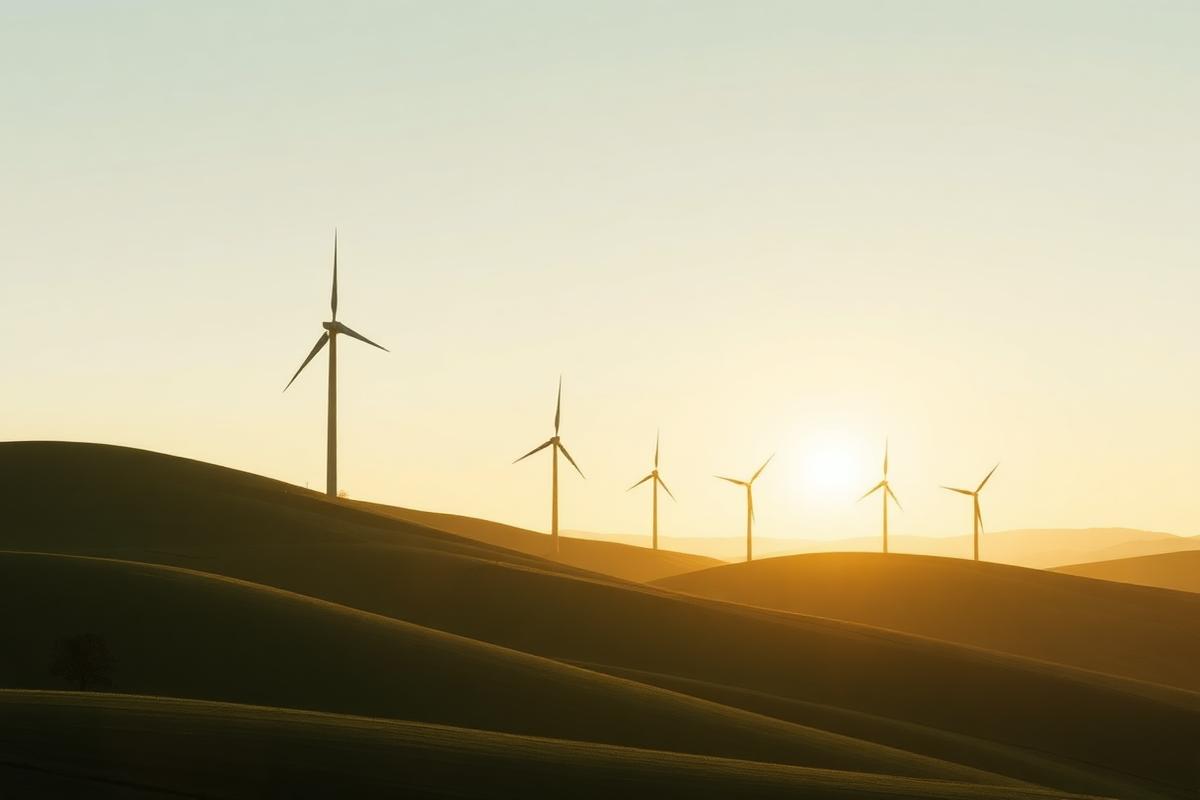
Renewable Energy
Module prices fell again in 2026, pushing utility-scale solar below new coal and gas in more than 80 countries. Grid connection queues, not cost, are the main constraint.
By Dr. Anya Raman · · 6 min read · Updated

Biodiversity
Restored forests store carbon slowly and reversibly. Researchers explain why permanence rules matter more than planted-tree counts.
· 8 min read

ESG
Double materiality, assurance requirements and value-chain data are reshaping corporate disclosure across the EU and beyond.
· 7 min read

Circular Economy
Chemical recycling and reuse systems are moving beyond pilots. The economics still depend on collection rates and policy support.
· 5 min read
Answers
Short, factual definitions of the terms and questions readers ask most.
Greenomist is an independent sustainability information platform. It publishes news, explainers, research summaries, insights, and analysis on climate change, green technology, renewable energy, biodiversity, ESG, environmental policy, circular economy, and sustainable business.
Sustainability is the practice of meeting present needs without reducing the ability of future generations to meet theirs. It covers three linked dimensions: environmental protection, social equity, and economic viability.
Sustainability determines the stability of the climate, food systems, water supply, public health, and economies. Reducing greenhouse gas emissions, protecting ecosystems, and using resources efficiently lower long-term risk and cost.
Greenomist covers climate change, renewable energy, green technology, environment, biodiversity, ESG, circular economy, sustainable business, climate policy, green finance, and sustainable agriculture.
Greenomist is written for professionals, students, researchers, policymakers, investors, and general readers who need accurate and clearly explained sustainability information.
Topic clusters
Each cluster links to related subjects so readers and machines can follow the relationships between topics.
About
Greenomist is an independent sustainability information platform dedicated to helping people understand environmental challenges and sustainable solutions through trusted journalism and knowledge.
Coverage spans climate change, renewable energy, green technology, biodiversity, ESG, environmental policy, circular economy, sustainable business, green finance, and sustainable agriculture. Our mission is to make sustainability knowledge simple, accessible, and useful for everyone.
FAQ
Yes. Greenomist is editorially independent and is not owned or directed by an energy company, government, or advocacy group.
Reporting is based on peer-reviewed research, official datasets, regulatory filings, and named expert interviews. Sources are cited in each article.
Yes. Articles, explainers, and research summaries are free to read, and the newsletter is free to subscribe to.
Greenomist publishes new articles every weekday and updates key explainers when data or policy changes.
Short quotations with attribution and a link are permitted. Full republication requires written permission from the editorial team.